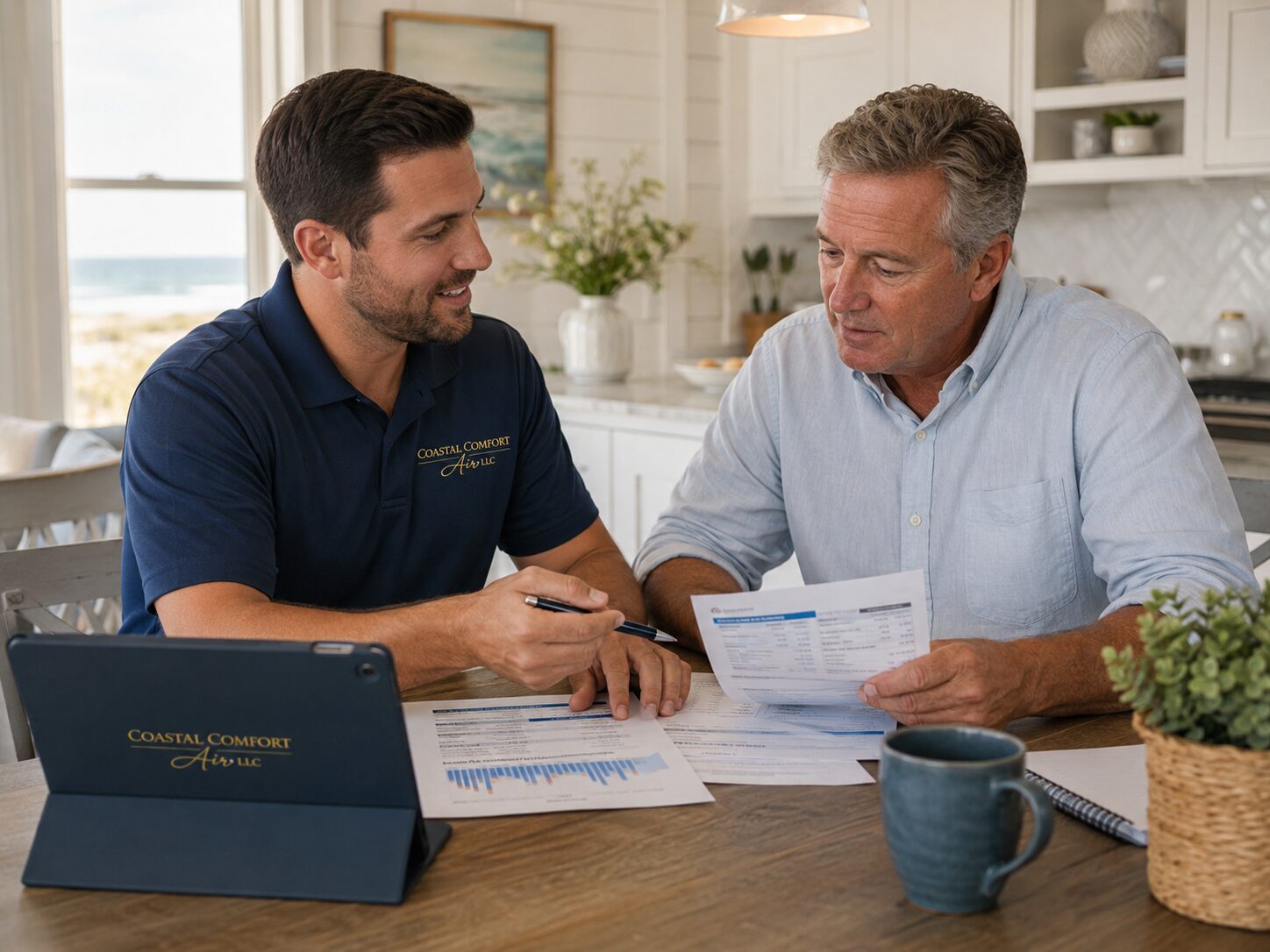
Opening your monthly utility bill only to discover it’s higher than expected is frustrating—especially if your daily habits haven’t changed. While rising energy prices can certainly play a role, many homeowners are surprised to learn that their HVAC system is often one of the biggest contributors to increasing energy costs.
Heating and cooling typically account for nearly half of a home’s energy use. When your HVAC system isn’t operating efficiently, it has to work harder and run longer to keep your home comfortable. That extra effort translates directly into higher utility bills.
If you’ve noticed your energy costs steadily climbing, it may be time to take a closer look at your heating and cooling system. Here are some of the most common HVAC issues that could be costing you money every month—and what you can do about them.
Your Air Filter Is Dirty
One of the simplest causes of higher energy bills is also one of the easiest to fix.
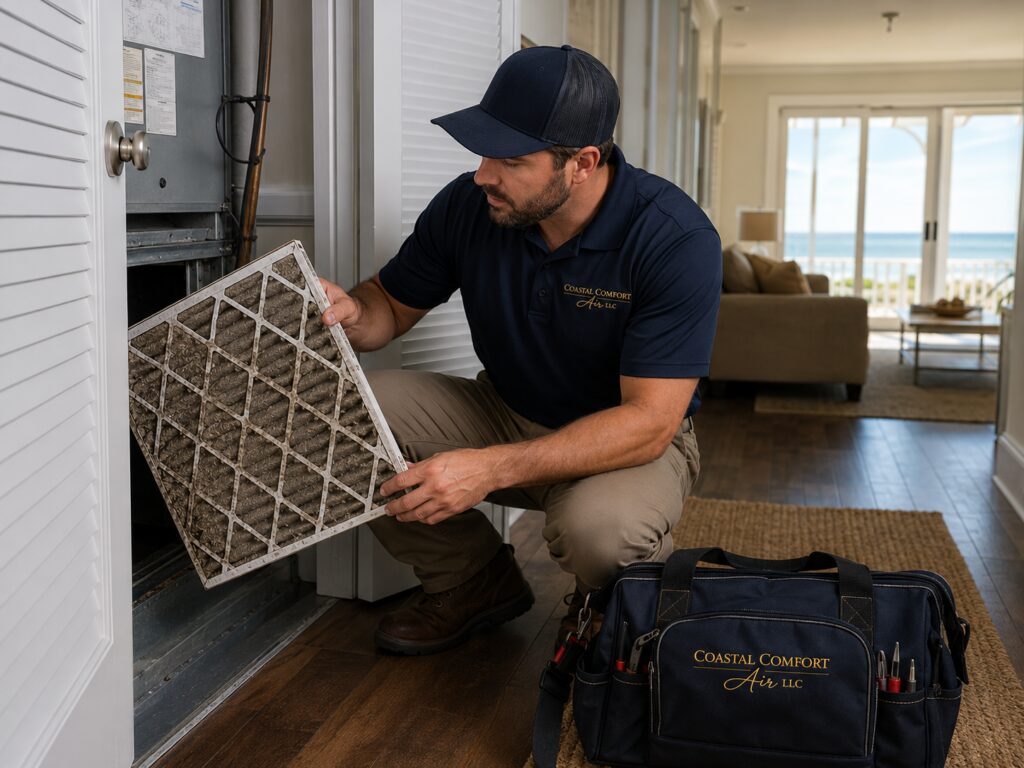
Your HVAC system relies on a clean air filter to move air efficiently throughout your home. As the filter collects dust, pet hair, pollen, and other airborne particles, airflow becomes restricted. When that happens, your system has to work harder to circulate conditioned air, increasing both energy consumption and wear on important components.
A dirty filter can also make your home feel less comfortable by reducing airflow from your vents. You may notice rooms taking longer to cool or heat, even though the system seems to be running constantly.
Most homeowners should replace their air filter every one to three months, although households with pets, allergies, or higher dust levels may need more frequent changes.
Your HVAC System Hasn’t Been Professionally Maintained
Routine maintenance isn’t just about preventing breakdowns—it also plays a major role in keeping your system energy efficient.
Over time, dirt accumulates on evaporator and condenser coils, electrical connections loosen, moving parts wear down, and refrigerant levels can become unbalanced. Even small issues like these can reduce efficiency and force your HVAC system to consume more electricity than necessary.
During a professional maintenance visit, an HVAC technician cleans critical components, checks refrigerant levels, inspects electrical systems, and tests overall performance. These services help restore efficiency while identifying small problems before they turn into expensive repairs.
For most homes, scheduling maintenance twice a year—once in the spring and once in the fall—is the best way to keep your system operating efficiently throughout the year.
Your HVAC System Is Getting Older
Even the best-maintained HVAC system becomes less efficient with age.
After years of continuous use, motors wear down, internal components lose efficiency, and technology simply falls behind modern standards. Older systems often require more energy to produce the same level of comfort as newer equipment.
If your HVAC system is more than 10 to 15 years old and your energy bills continue to rise, replacing it with a high-efficiency model may significantly reduce your monthly operating costs.
While a new HVAC system represents an investment, many homeowners find that lower utility bills, fewer repairs, and improved comfort make replacement worthwhile over the long term.
Air Leaks Are Letting Conditioned Air Escape
Your HVAC system can only do its job if the air it produces stays inside your home.
Small gaps around doors, windows, attic openings, or ductwork allow conditioned air to escape while letting outdoor air enter. As a result, your heating and cooling system runs longer to maintain your desired temperature.
These air leaks are particularly noticeable during Wilmington’s hot, humid summers, when your air conditioner must continuously remove both heat and moisture from incoming outdoor air.
Sealing leaks and improving insulation can reduce the workload on your HVAC system while helping lower monthly energy costs.
Your Thermostat Isn’t Working Properly
Sometimes the problem isn’t your HVAC equipment at all—it’s the thermostat controlling it.
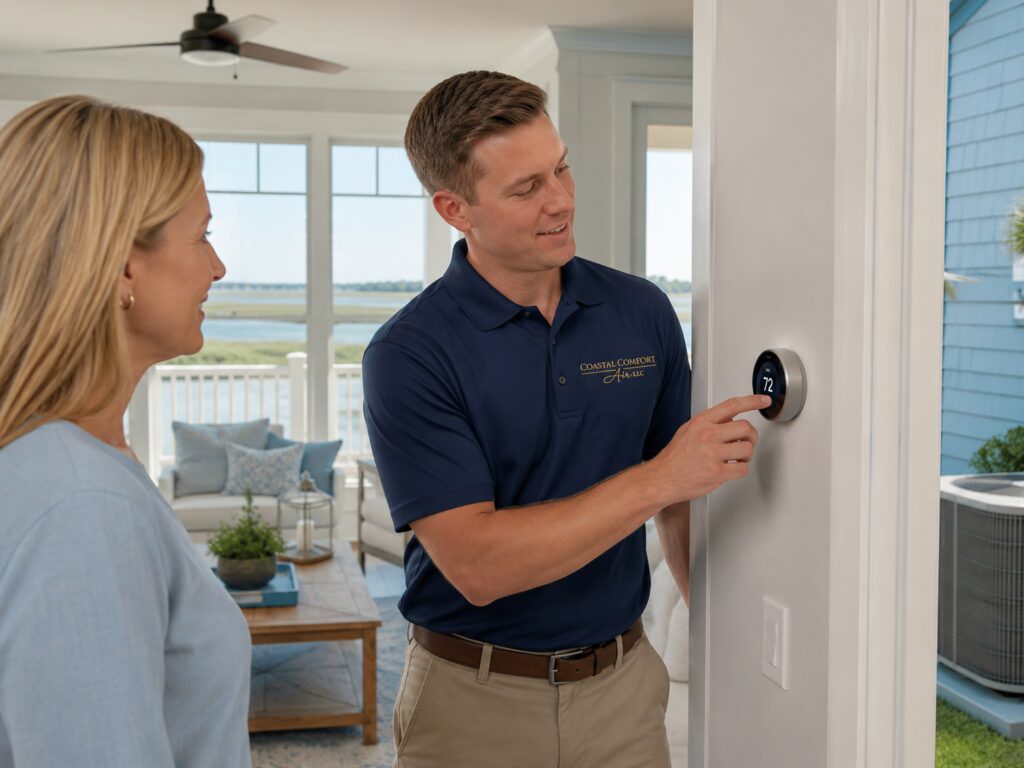
An outdated or malfunctioning thermostat may misread indoor temperatures, causing your heating or cooling system to cycle more often than necessary. This unnecessary operation increases energy usage without improving comfort.
Upgrading to a programmable or smart thermostat allows you to automatically adjust temperatures based on your schedule. For example, you can reduce cooling while you’re away at work and have your home return to a comfortable temperature before you arrive.
These small adjustments can add up to meaningful savings over the course of a year.
Your Ductwork May Be Losing Air
Many homeowners focus on their heating and cooling equipment but overlook the ductwork that distributes conditioned air throughout the home.
Over time, ducts can develop small leaks, loose connections, or damaged sections that allow cooled or heated air to escape before it ever reaches your living spaces.
When conditioned air leaks into attics, crawl spaces, or wall cavities, your HVAC system must run longer to compensate for the lost airflow.
Professional duct inspections can identify these hidden issues and improve both comfort and efficiency.
High Humidity Makes Your Air Conditioner Work Harder
Living near the coast comes with many advantages, but Wilmington’s humid climate can place additional demands on your HVAC system.
Air conditioners don’t just cool your home—they also remove moisture from the air. When humidity levels are especially high, your system has to work longer to maintain comfortable indoor conditions.
If your home constantly feels damp or sticky, your HVAC system may no longer be controlling humidity effectively. This could indicate aging equipment, low refrigerant, airflow issues, or a system that’s improperly sized for your home.
A properly functioning HVAC system should keep both temperature and humidity at comfortable levels.
Simple Ways to Improve HVAC Efficiency
Fortunately, many causes of rising energy bills can be addressed with routine maintenance and a few practical improvements around your home.
You can improve HVAC efficiency by:
- Replacing air filters every one to three months.
- Scheduling professional HVAC maintenance twice each year.
- Keeping the outdoor condenser unit free of leaves and debris.
- Sealing air leaks around doors, windows, and ductwork.
- Installing a programmable or smart thermostat.
- Making sure supply and return vents remain open and unobstructed.
- Considering a high-efficiency HVAC replacement if your system is more than 10–15 years old.
Even small improvements can reduce strain on your HVAC system and help lower your monthly utility bills.
Why Energy Efficiency Matters in Wilmington
Homeowners in Wilmington rely heavily on their air conditioning systems for much of the year. Between the region’s warm temperatures and high humidity, HVAC equipment often operates for extended periods during the spring, summer, and early fall.
Because of this increased demand, even minor efficiency issues can have a noticeable impact on your monthly energy bills.
Routine maintenance, timely repairs, and energy-efficient equipment are especially valuable in coastal North Carolina, where your HVAC system works harder than it might in cooler climates.
Frequently Asked Questions
Why did my electric bill suddenly increase?
A sudden increase may be caused by a dirty air filter, an HVAC system that’s working harder due to mechanical issues, air leaks, thermostat problems, or unusually hot weather.
How often should HVAC systems be serviced?
Most manufacturers and HVAC professionals recommend professional maintenance twice a year—once before the cooling season and once before the heating season.
Will replacing my HVAC system reduce my energy bills?
If your current system is more than 10 to 15 years old, replacing it with a modern high-efficiency unit can often reduce monthly energy costs while improving comfort.
Can dirty air filters really increase energy use?
Yes. Restricted airflow forces your HVAC system to work harder, increasing electricity consumption and reducing overall efficiency.
How can I tell if my HVAC system is losing efficiency?
Signs include higher utility bills, uneven temperatures, weak airflow, frequent cycling, longer run times, and reduced comfort throughout your home.
Lower Your Energy Bills with Coastal Comfort Air
If your energy bills continue to rise, your HVAC system may be working much harder than it should. The good news is that many efficiency problems can be corrected with routine maintenance, timely repairs, or, in some cases, a modern system replacement.
At Coastal Comfort Air, we’re committed to helping homeowners throughout Wilmington, North Carolina, improve comfort while reducing energy costs. Whether you need seasonal maintenance, expert repairs, or guidance on upgrading to a more energy-efficient HVAC system, our experienced team is here to help.
Ready to start saving on your monthly utility bills? Contact Coastal Comfort Air today to schedule an HVAC inspection and discover how we can help improve your system’s efficiency.
Helpful Resources
- U.S. Department of Energy – Energy Saver: https://www.energy.gov/energysaver
- ENERGY STAR – Home Energy Savings: https://www.energystar.gov/

Be the first to comment